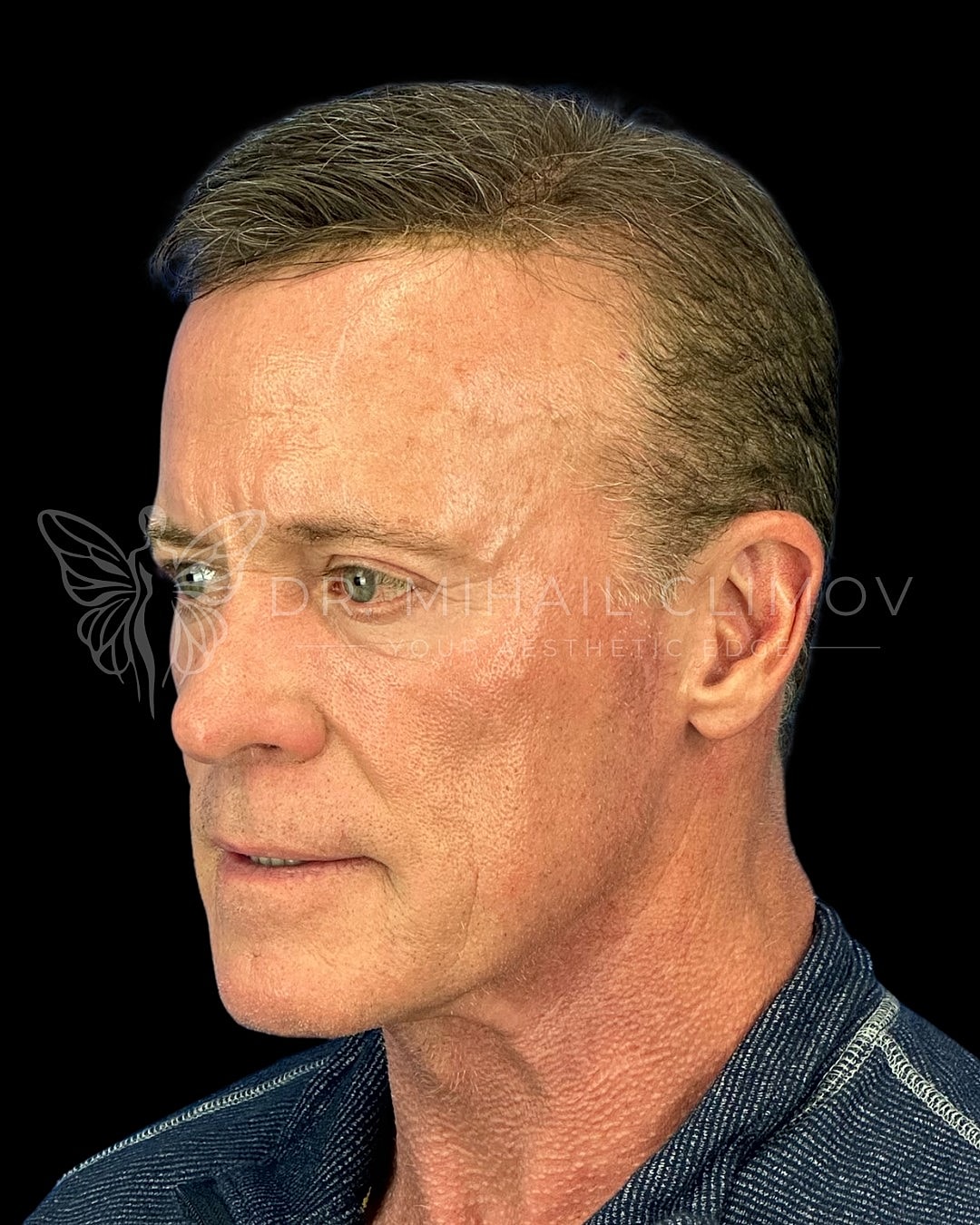
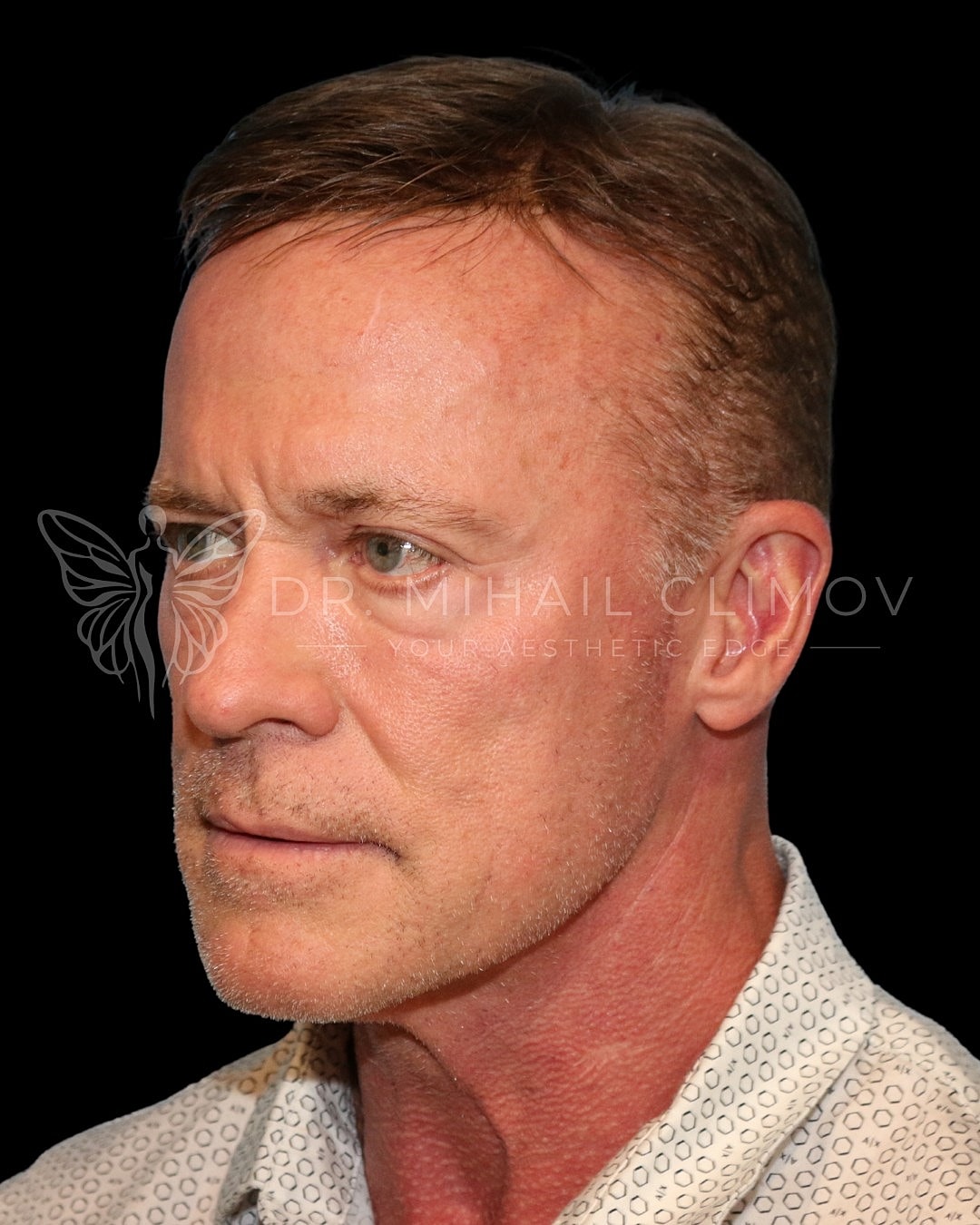
Neck Skin Tightening with Quantum / NeckTite
in Houston, TX


Sagging neck skin and loss of definition can age your appearance significantly. Dr. Mihail Climov provides advanced Quantum/NeckTite skin tightening treatments in Houston, TX, offering remarkable tightening results without extensive downtime or scars. Quantum/NeckTite is a minimally invasive, advanced radiofrequency (RF) treatment specifically designed to tighten and lift sagging neck skin. It stimulates collagen production, improving elasticity and restoring youthful contours.

1 of 1

The Quantum/NeckTite procedure uses local anesthesia and typically takes around one hour. Most patients resume normal activities within a few days, with mild swelling resolving quickly.

To learn more about neck skin tightening with Quantum/NeckTite in Houston, call (281) 200-0525 or Contact Us today.
People experiencing mild-to-moderate neck skin laxity and who prefer a minimally invasive treatment.
Quantum/NeckTite is less invasive, has shorter recovery, and uses advanced RF energy to tighten skin without extensive incisions.
The procedure is comfortably performed under local anesthesia with minimal discomfort afterward.
Yes, commonly paired with submental liposuction for comprehensive rejuvenation.
Results typically last several years and can be maintained longer with proper skincare.
No noticeable scarring; incisions are tiny and heal discreetly.
Initial improvements are noticeable quickly, with continued tightening over 3–6 months.
Minimal downtime; patients typically return to normal activities within a few days.
It can delay or prevent the need for more invasive procedures if performed earlier.
Most patients achieve great results from a single session, though severe cases might benefit from additional treatments.