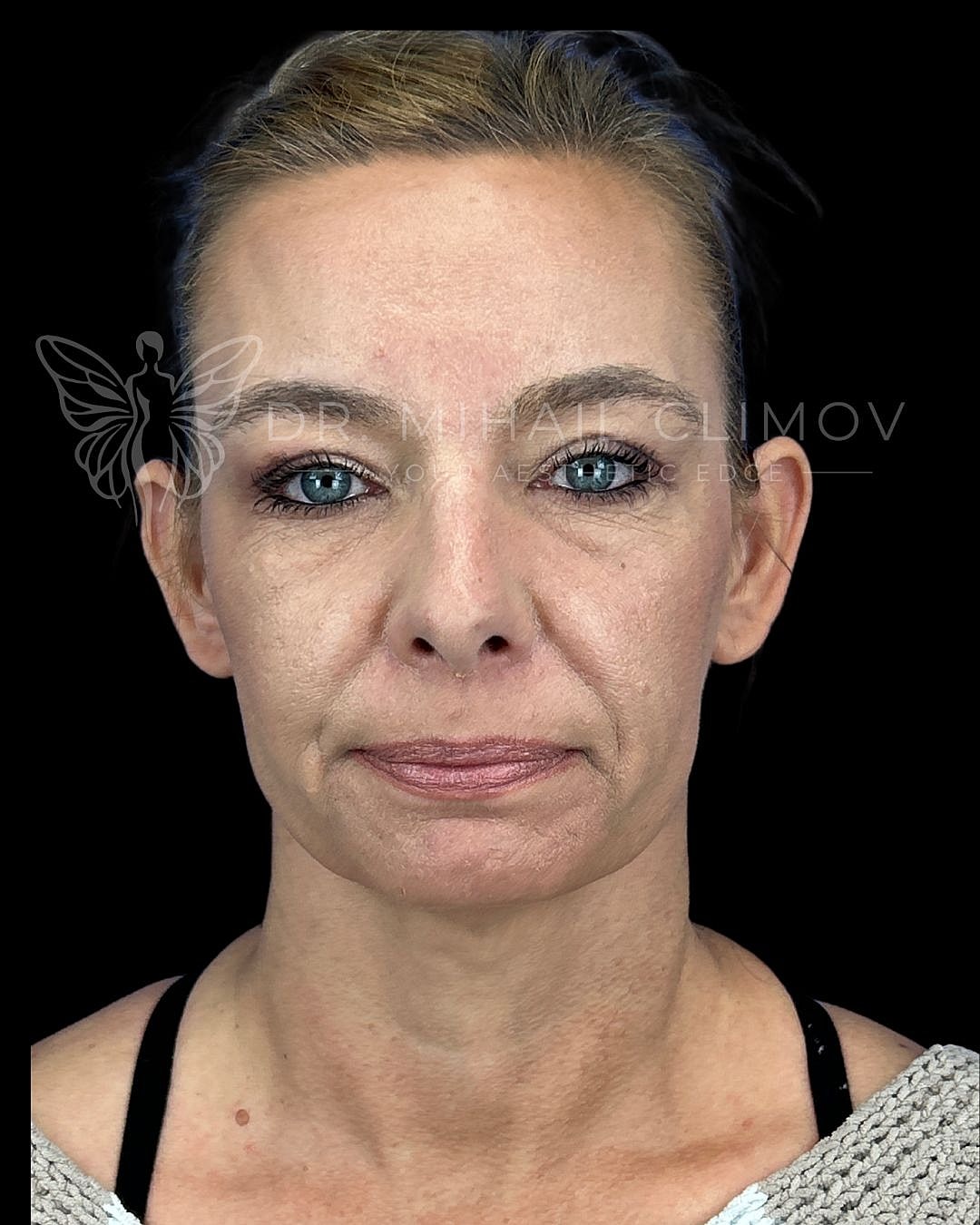
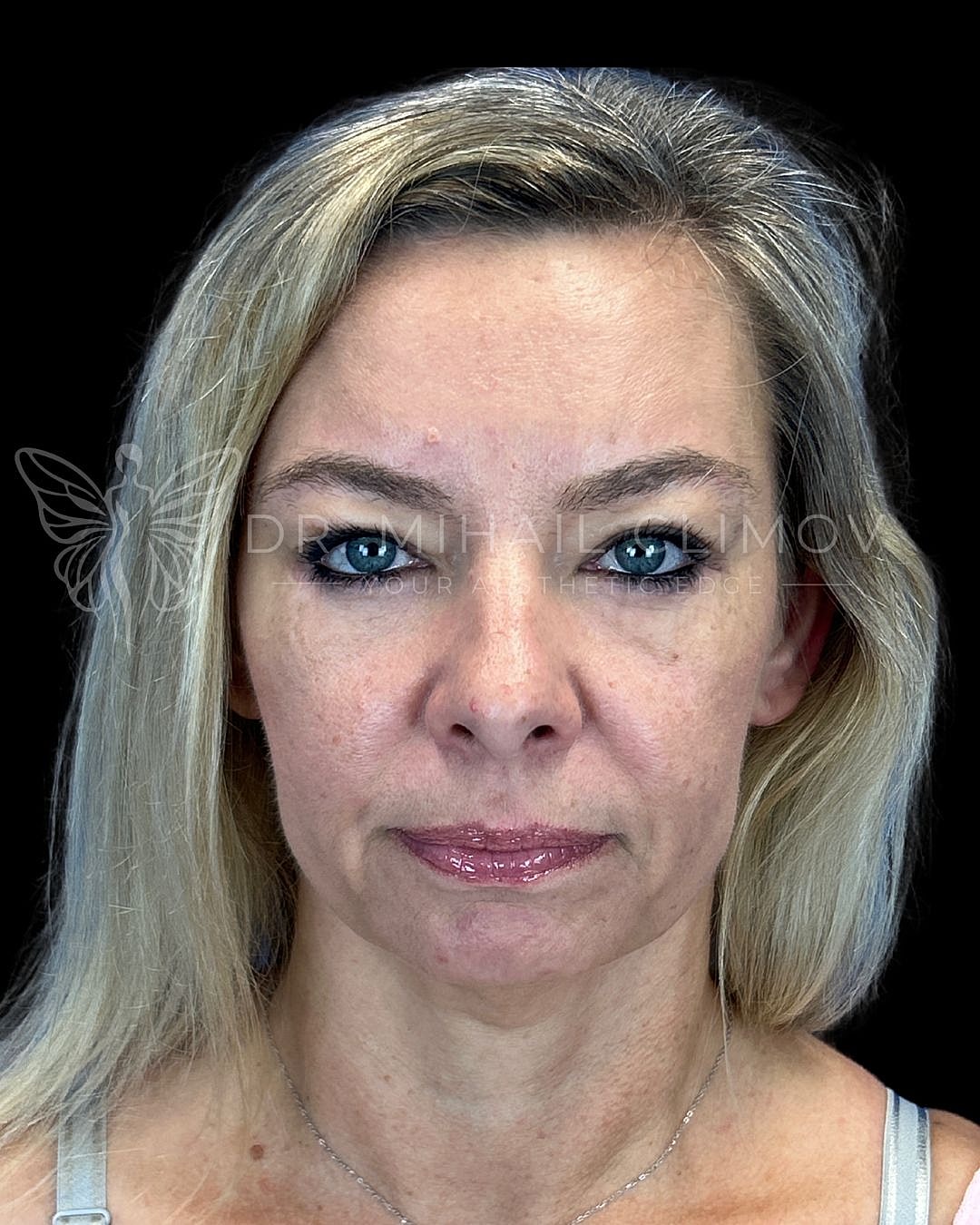
Blepharoplasty
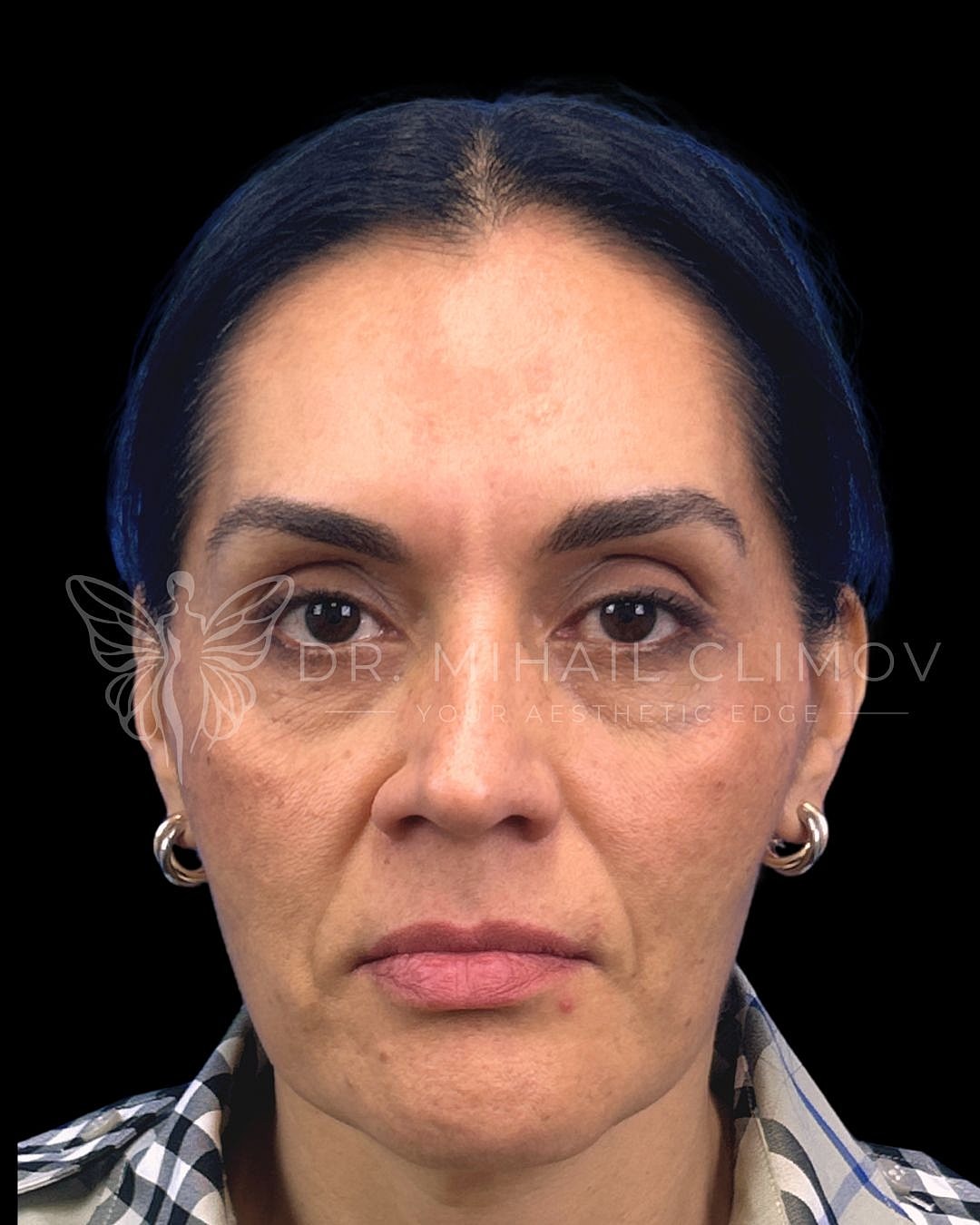
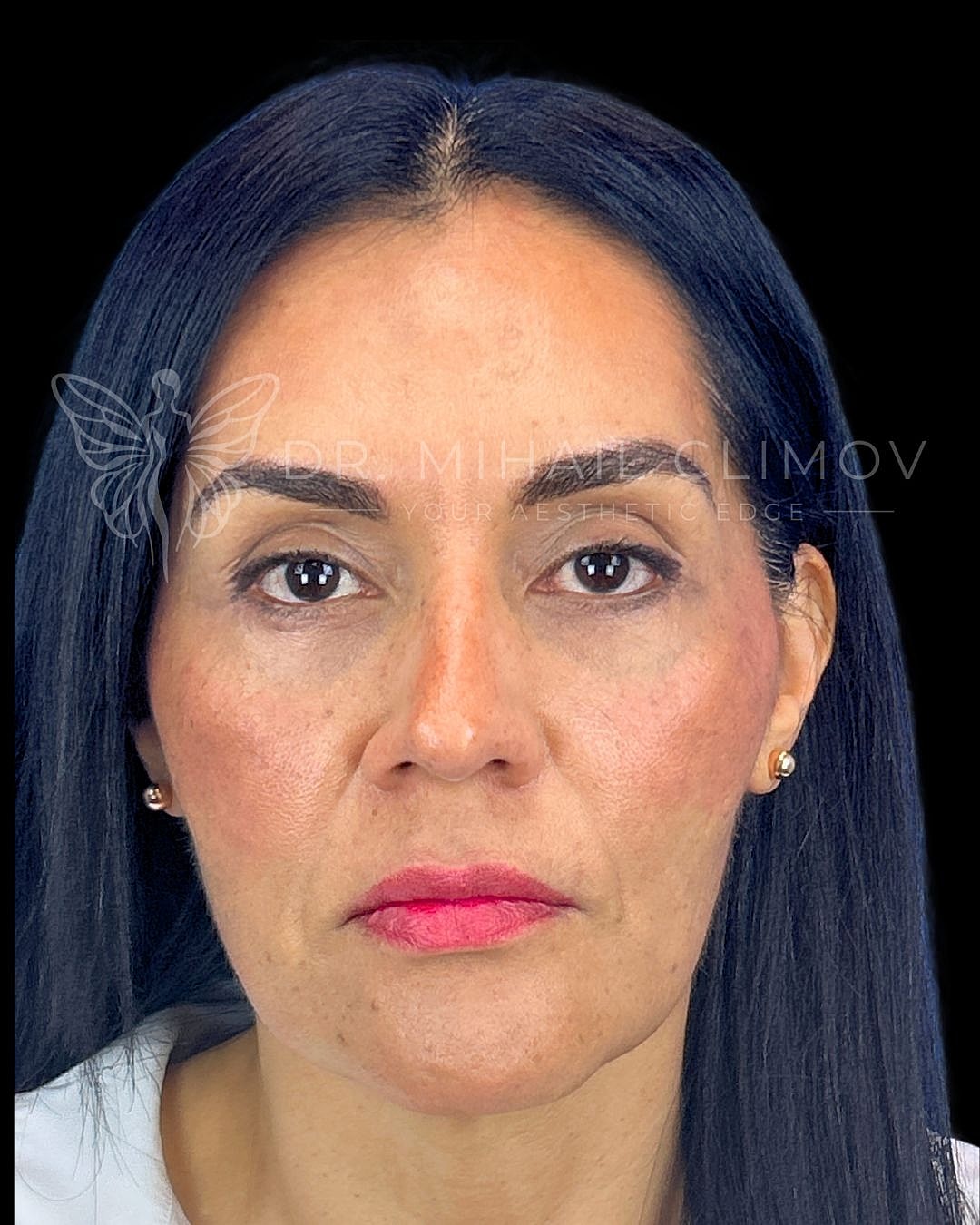
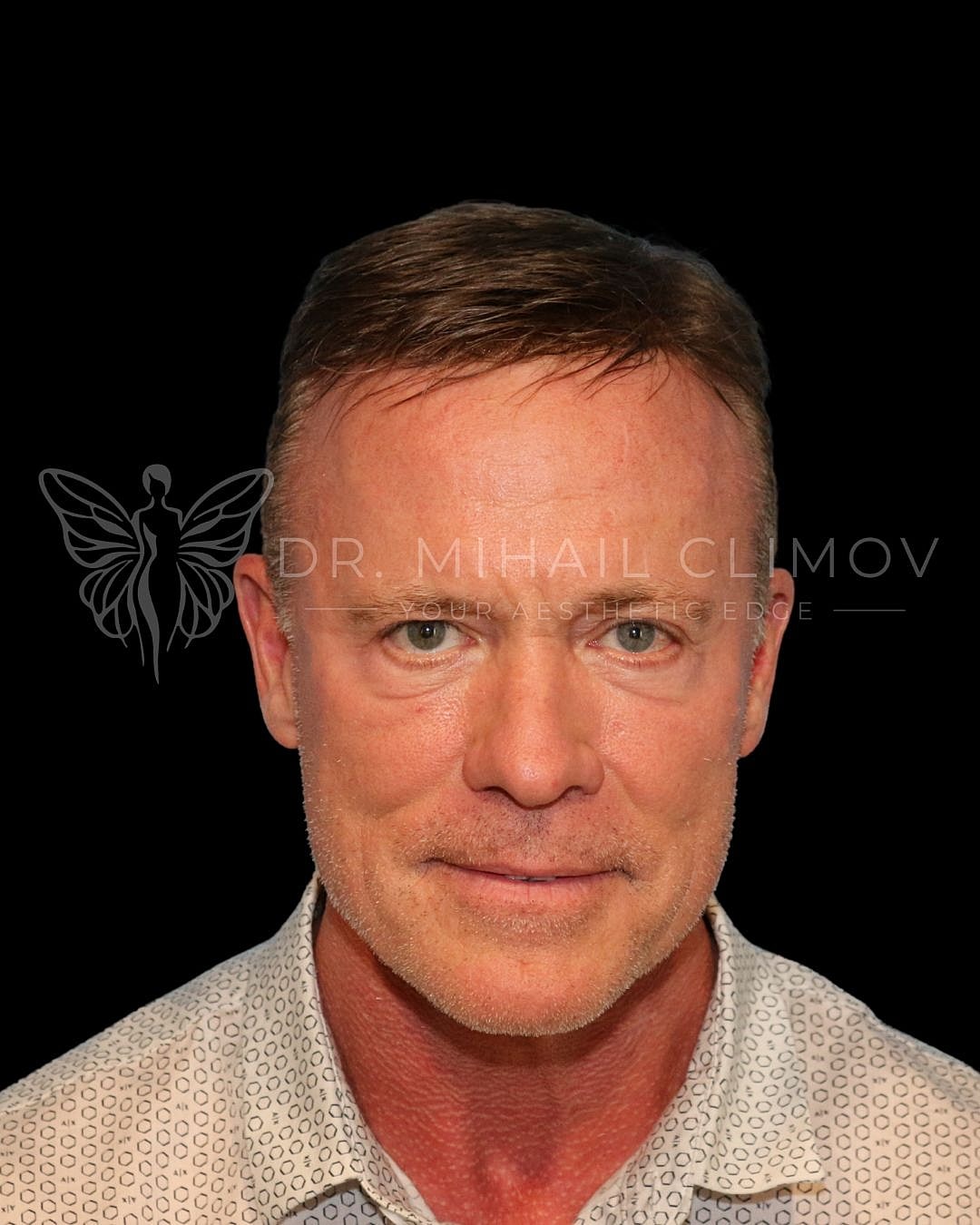
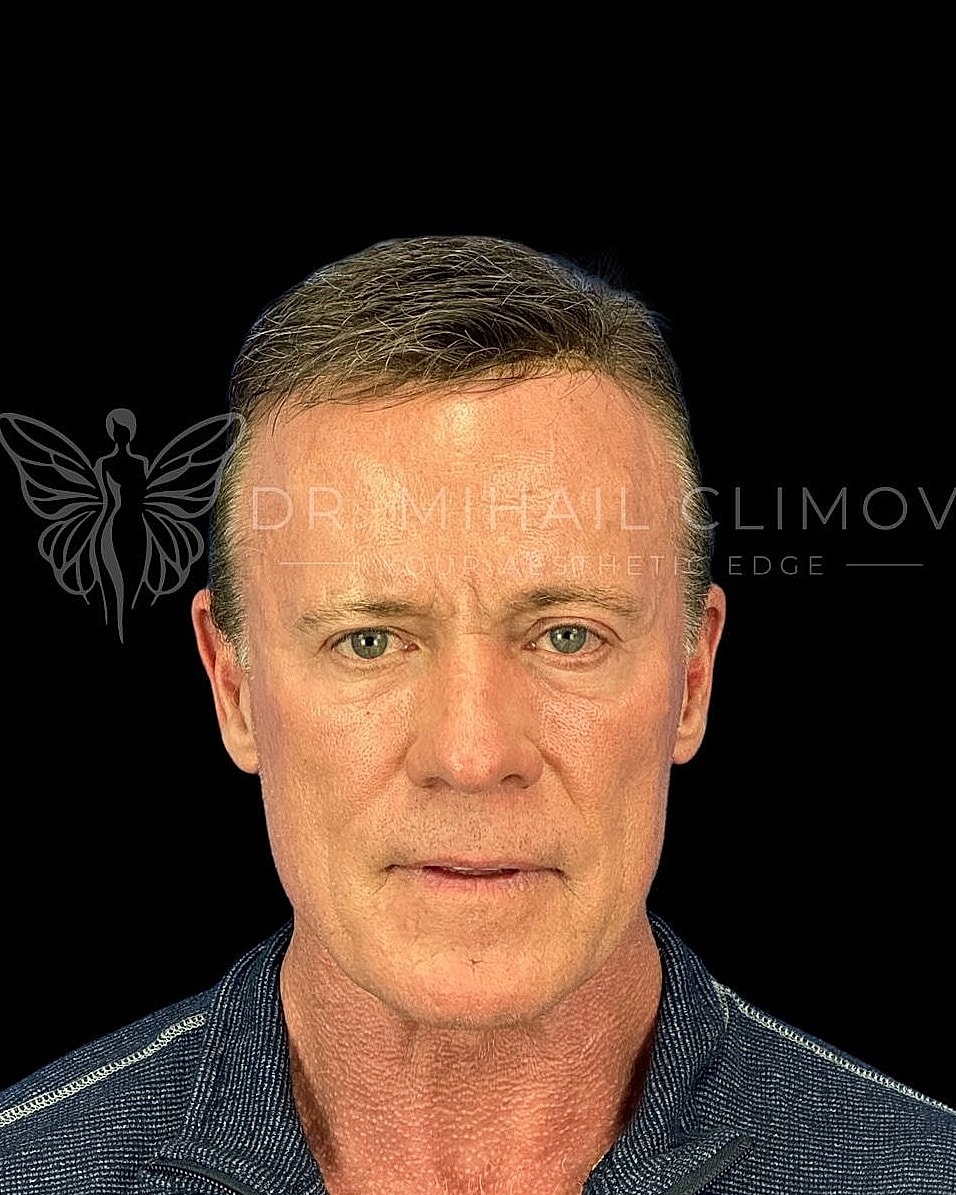
The eyes are often the first feature to show fatigue, stress, or age. At Your Aesthetic Edge, blepharoplasty is performed with precision and restraint to refresh the eyelids while preserving your natural expression.


The eyes are often the first feature to show fatigue, stress, or age. At Your Aesthetic Edge, blepharoplasty is performed with precision and restraint to refresh the eyelids while preserving your natural expression.
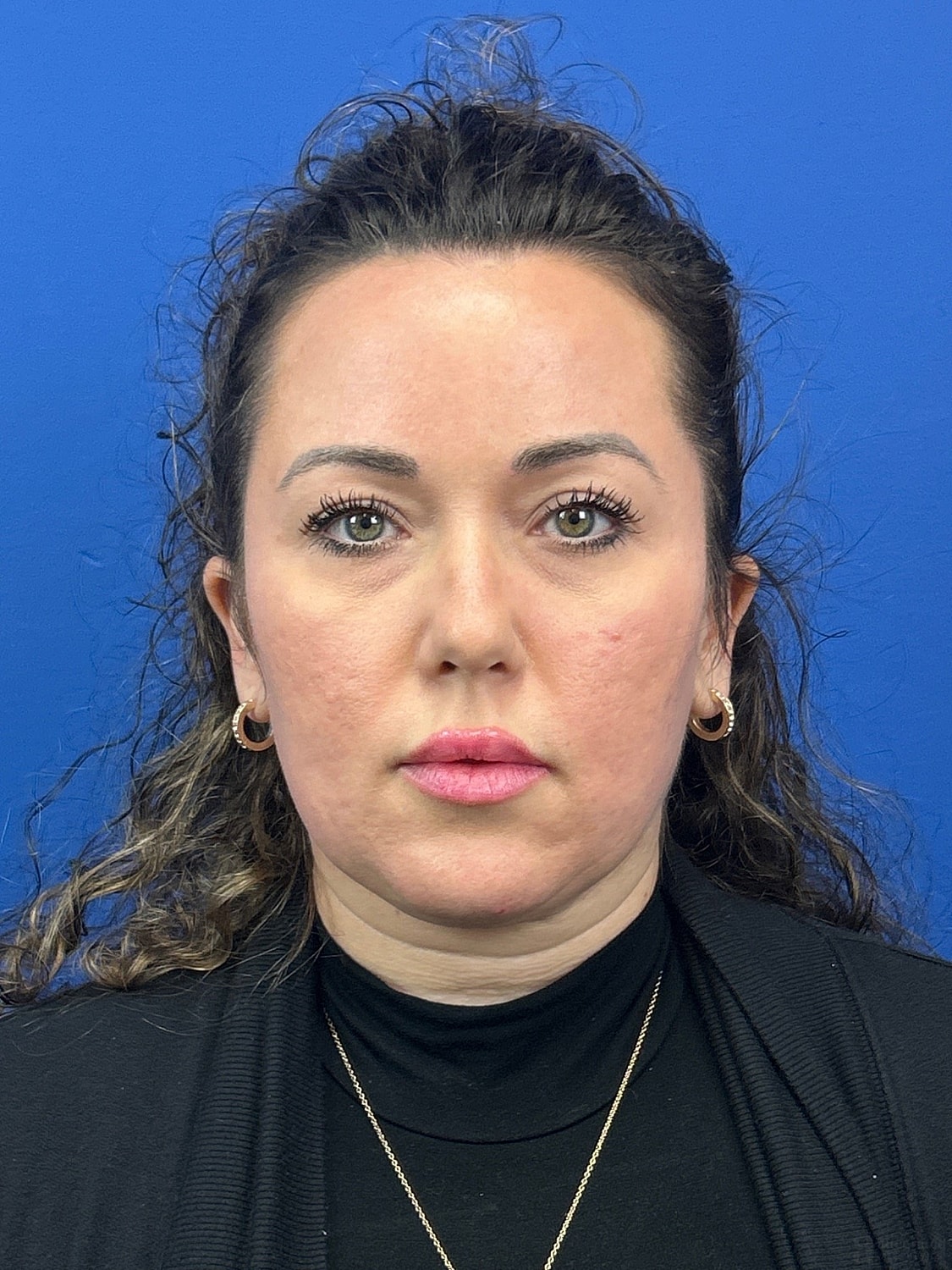
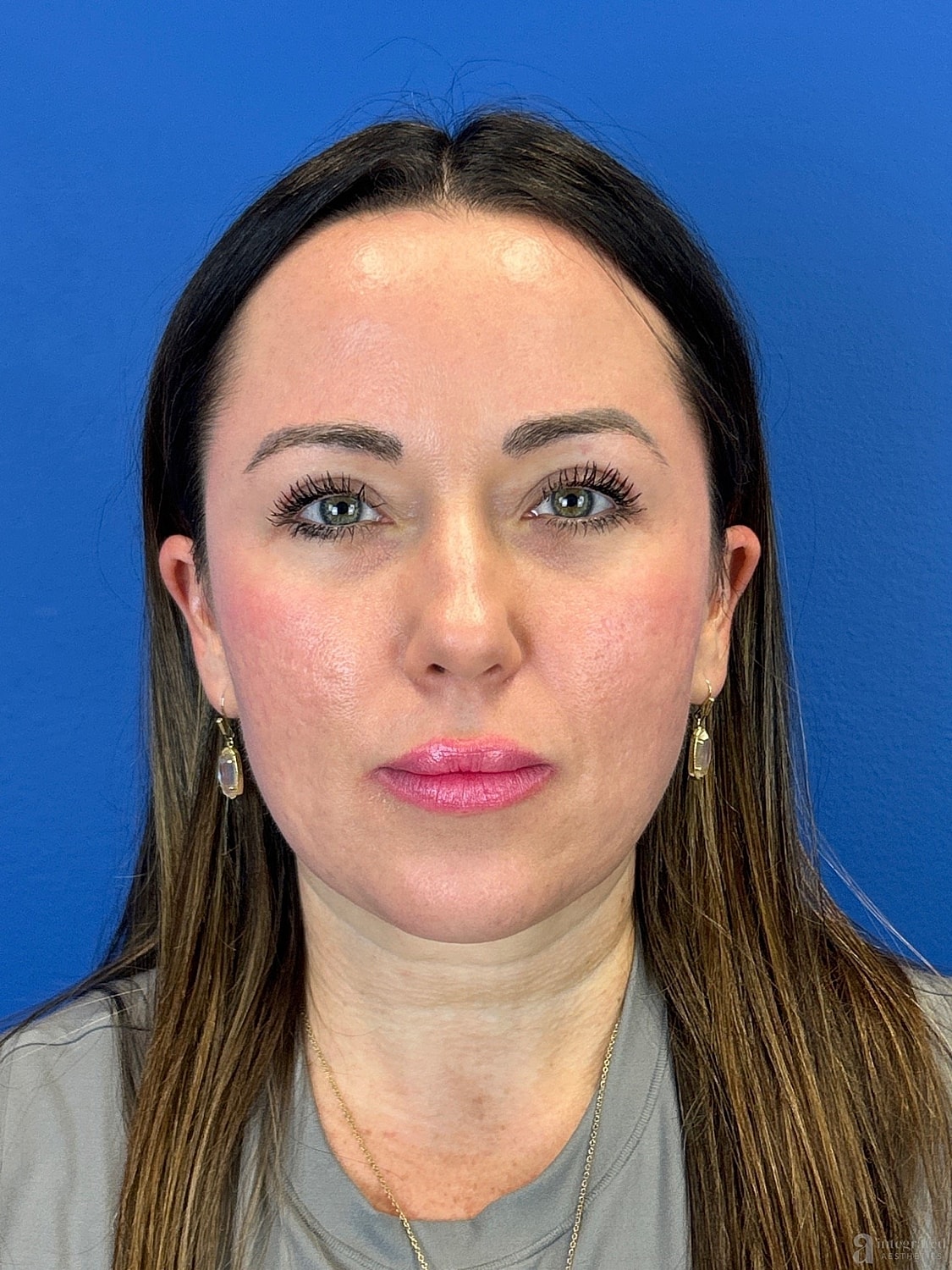
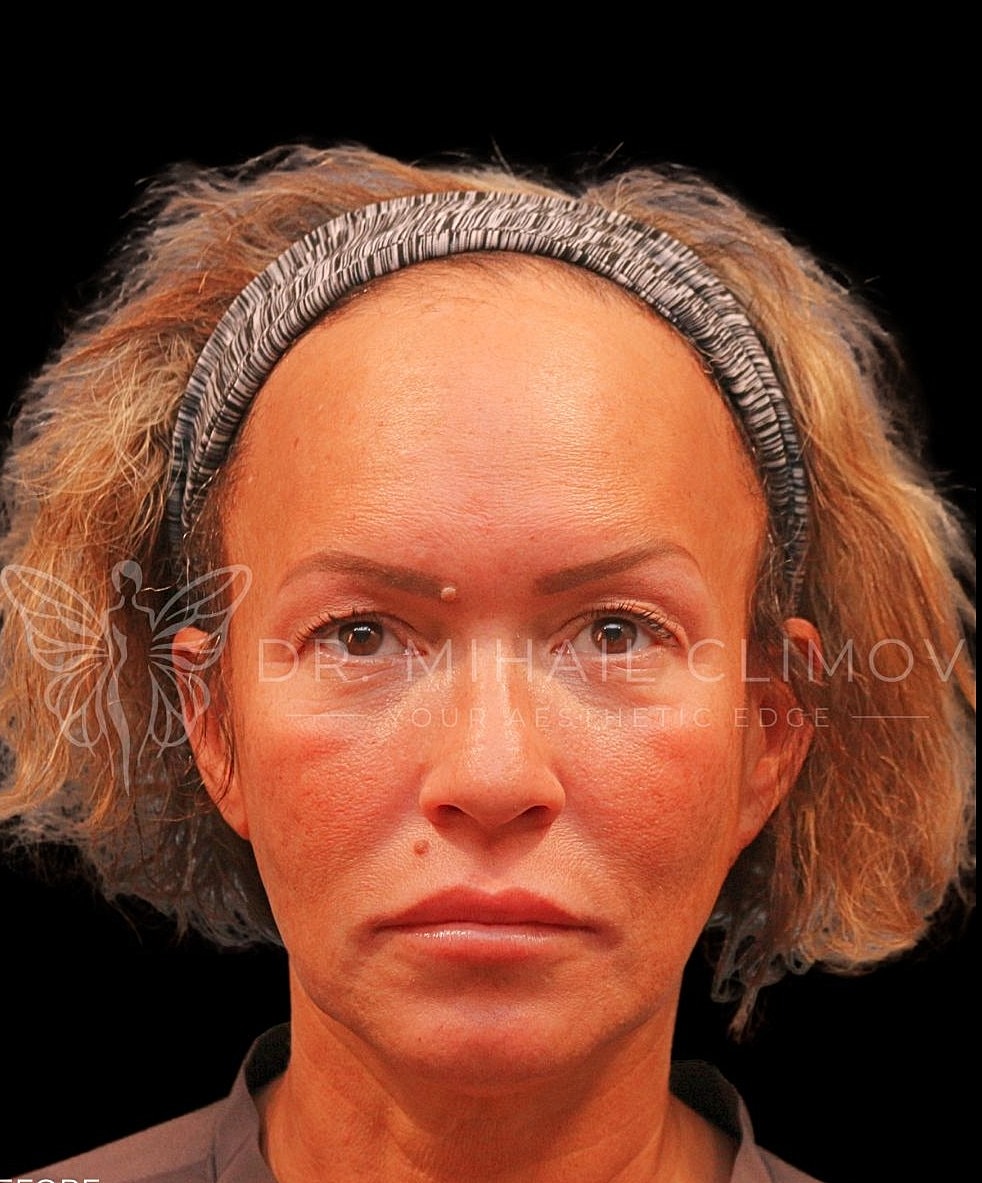
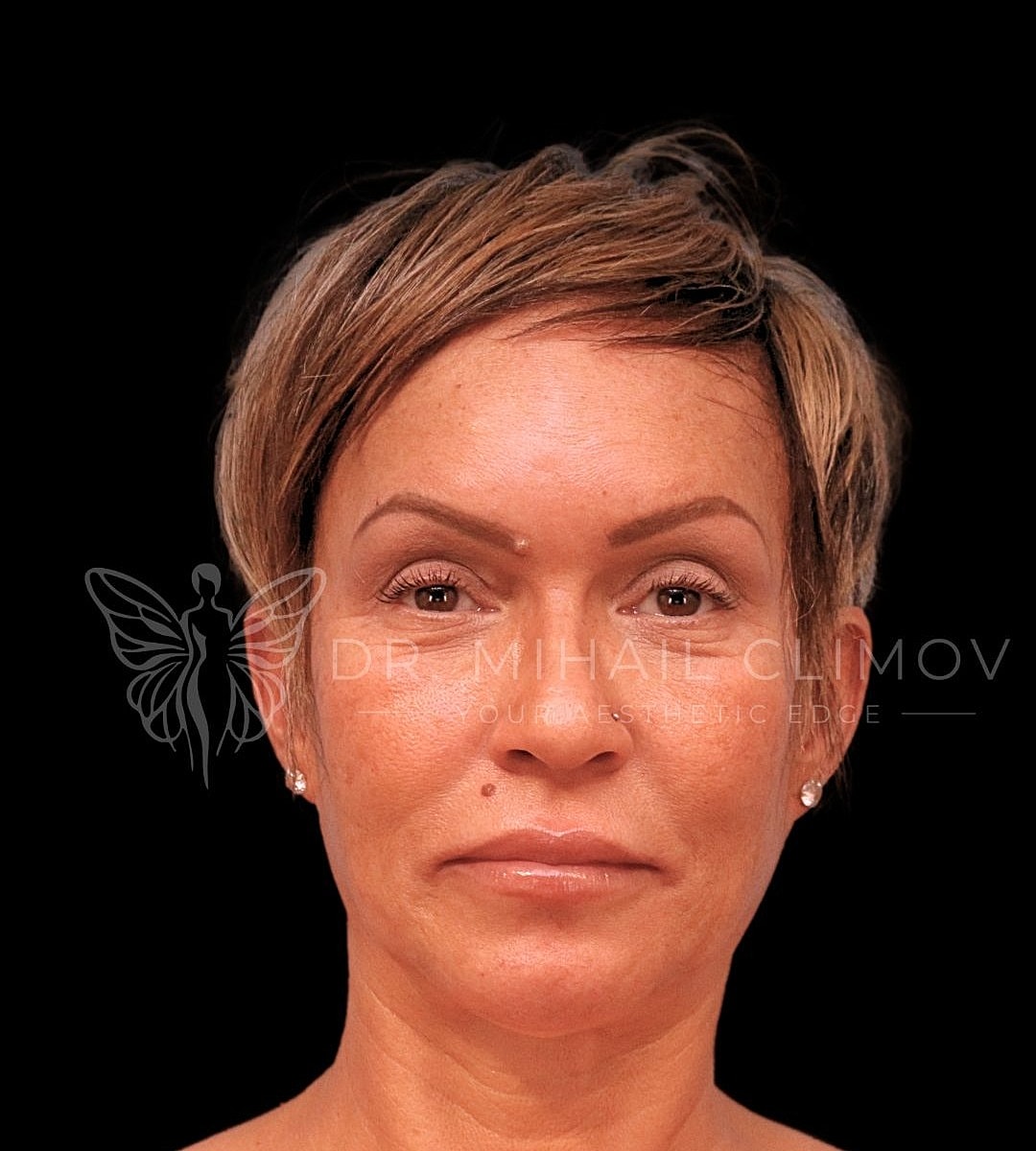
1 of 4
1 of 5
Blepharoplasty, is one of the most impactful facial rejuvenation procedures in aesthetic surgery. Many patients choose eyelid surgery to address droopy eyelids, puffy bags, excess skin, or changes in the upper and lower eyelids that create a tired appearance.
Dr. Mihail Climov combines expertise in facial plastic surgery with cosmetic precision to perform blepharoplasty tailored to each patient’s anatomy. His approach ensures balanced, natural-looking results for patients seeking expert blepharoplasty in Houston, TX.

Upper blepharoplasty, lower blepharoplasty, or upper and lower eyelids treated together
Addresses concerns like sagging skin in the upper lids and lower eyelid fat
Typically performed under local anesthetic with sedation or general anesthesia
Most patients return to normal activity within two weeks

Blepharoplasty is a cosmetic procedure designed to improve the appearance of the eyelids by removing excess skin, repositioning orbital fat, and tightening supportive structures. This surgical procedure can address the upper eyelids, lower eyelids, or both.
Upper blepharoplasty focuses on the upper lids, where excess eyelid skin may impair the visual field or create a heavy look.
Lower blepharoplasty treats puffy bags, lower eyelid fat, and loose skin beneath the eyes.
Blepharoplasty can be performed alone or combined with other facial rejuvenation procedures such as a brow lift, mid-face lift, or skin resurfacing. While primarily considered aesthetic surgery, in some cases, blepharoplasty may also improve vision by removing excess skin that obstructs the visual field.

Blepharoplasty is a brief outpatient surgery. Depending on your individual treatment plan, it may be completed under local anesthetic with sedation or general anesthesia.
For upper blepharoplasty, the surgeon places an incision within the natural crease of the upper eyelid. This allows for removal of excess skin and careful adjustment of orbital fat while keeping scars discreet.
For lower blepharoplasty, incisions may be placed just beneath the lower lid lash line or inside the lower lid (transconjunctival blepharoplasty). The transconjunctival approach allows the surgeon to remove excess fat without external incisions when skin tightening is not required.
During blepharoplasty surgery, precise adjustments are made to fat pockets and eyelid skin to maintain eyelid function and protect the eye muscles. Once the procedure is complete, Dr. Climov closes the incisions to promote clean healing at the surgical site.

The blepharoplasty procedure is tailored to address each patient's unique needs. Common concerns that blepharoplasty can treat include:
Lower blepharoplasty is especially effective for lower eyelids that appear swollen due to protruding orbital fat. Upper blepharoplasty corrects drooping skin that may interfere with your vision or create a fatigued appearance.
Blepharoplasty removes excess skin and tightens delicate eyelid skin for a refreshed look.
By adjusting fat pockets in the eye area (orbital fat ), lower eyelid blepharoplasty reduces puffy bags and restores your natural eye contours.
Patients often notice their eyes appear more open and alert, contributing to a youthful appearance without changing their natural features.
In select patients, upper blepharoplasty may improve vision by expanding the visual field when drooping skin is obstructive.
Blepharoplasty is designed for healthy adults bothered by excess skin, puffy bags, or droopy eyelids. Our Houston eyelid surgery patients appreciate how this procedure provides subtle rejuvenation, revealing a more youthful, alert appearance in a way that honors their natural features.
During your consultation, Dr. Climov will perform a thorough physical examination and review any medical conditions that could impact your candidacy, including thyroid problems or a history of dry eyes. Patients who wear contact lenses should disclose this during their appointment.
After blepharoplasty surgery, mild swelling and bruising are common. Most patients experience slight discomfort rather than significant pain. Ice packs and cold compresses help reduce swelling in the first few days.
Prescribed eye drops may be recommended to prevent dry eyes. Patients should avoid strenuous activity, sun exposure, and heavy exercise for approximately two weeks. Makeup and contact lenses are typically paused during early recovery.
Swelling gradually resolves over two weeks, with continued refinement over the following weeks. Most patients return to social activities within 10–14 days.

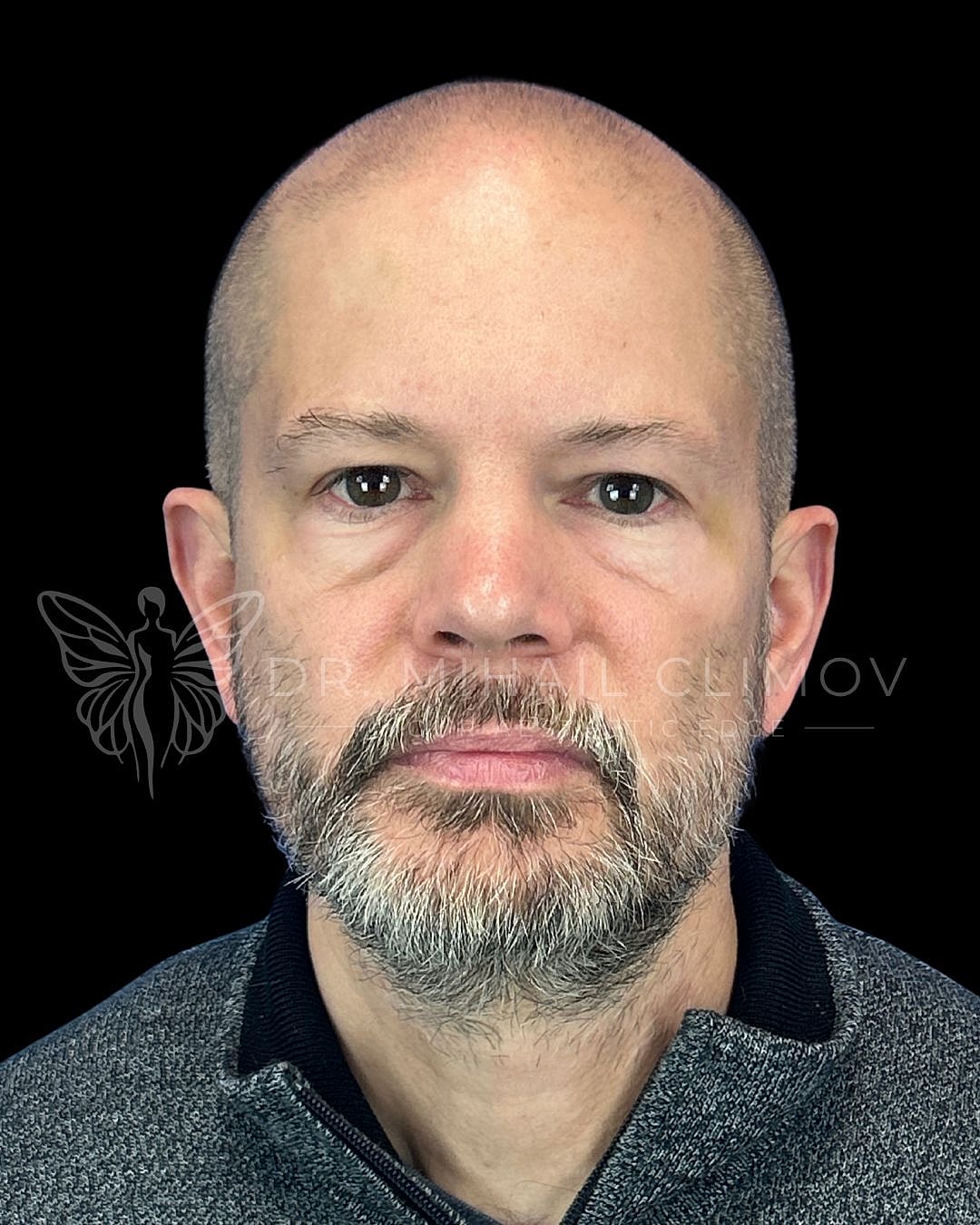
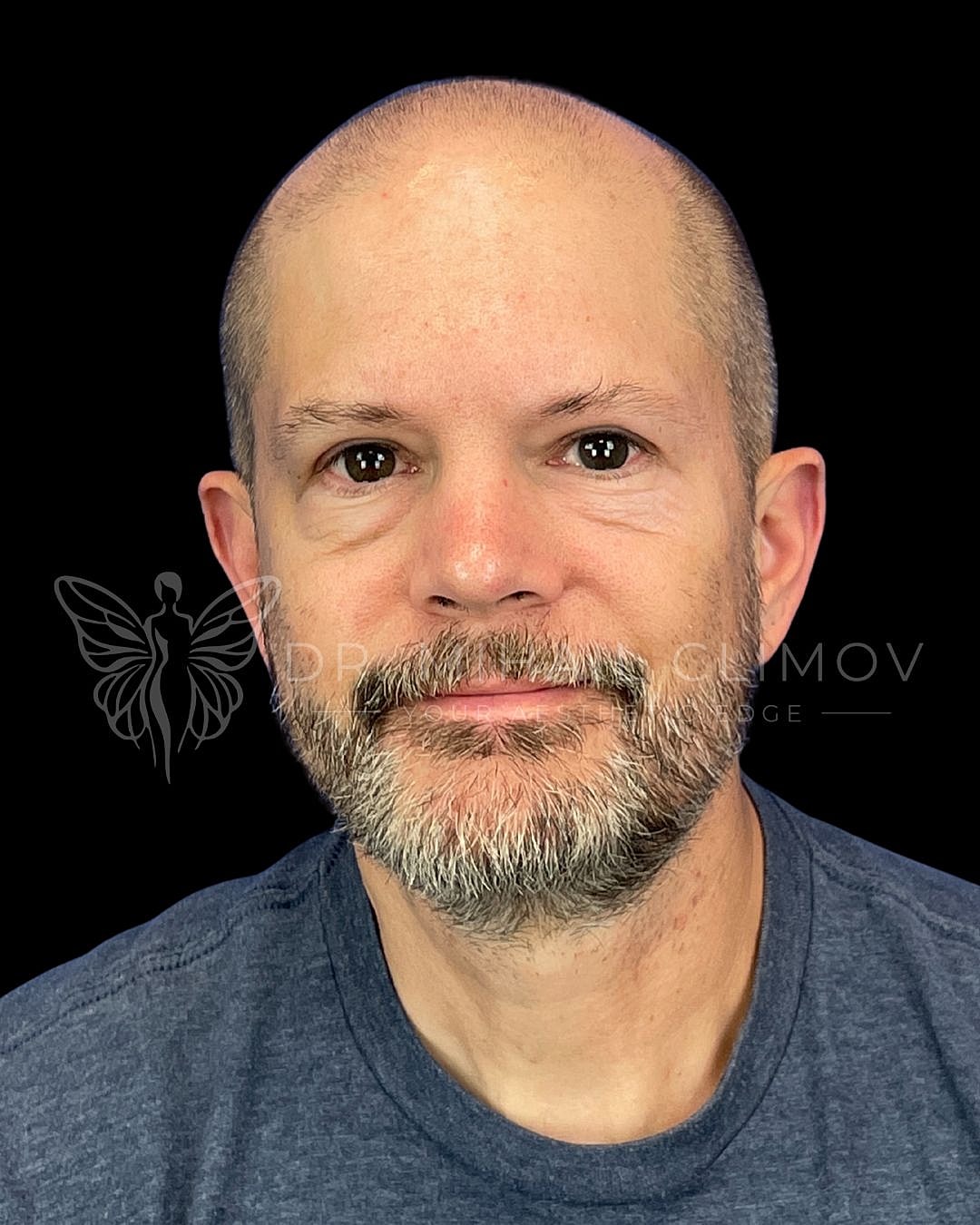
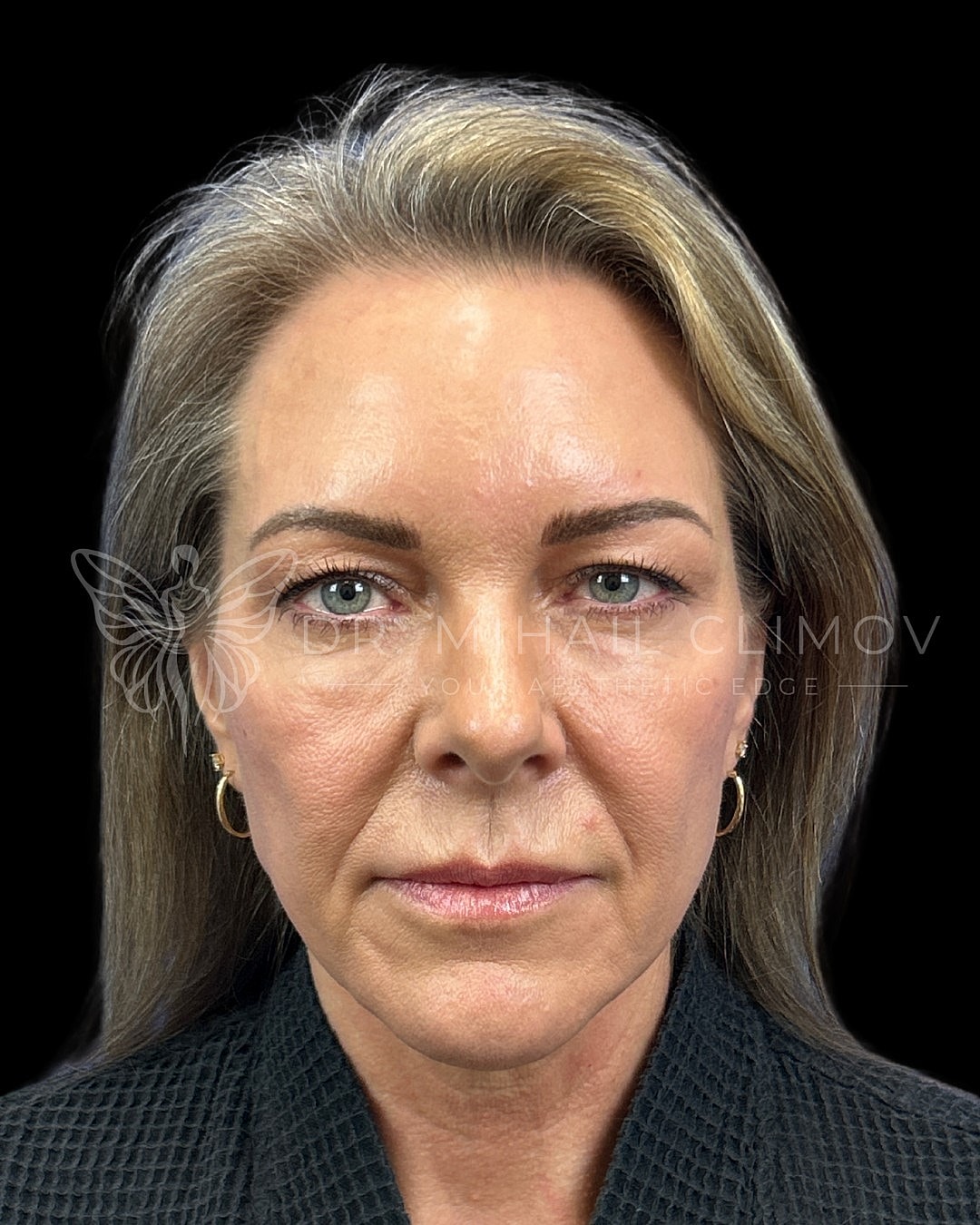
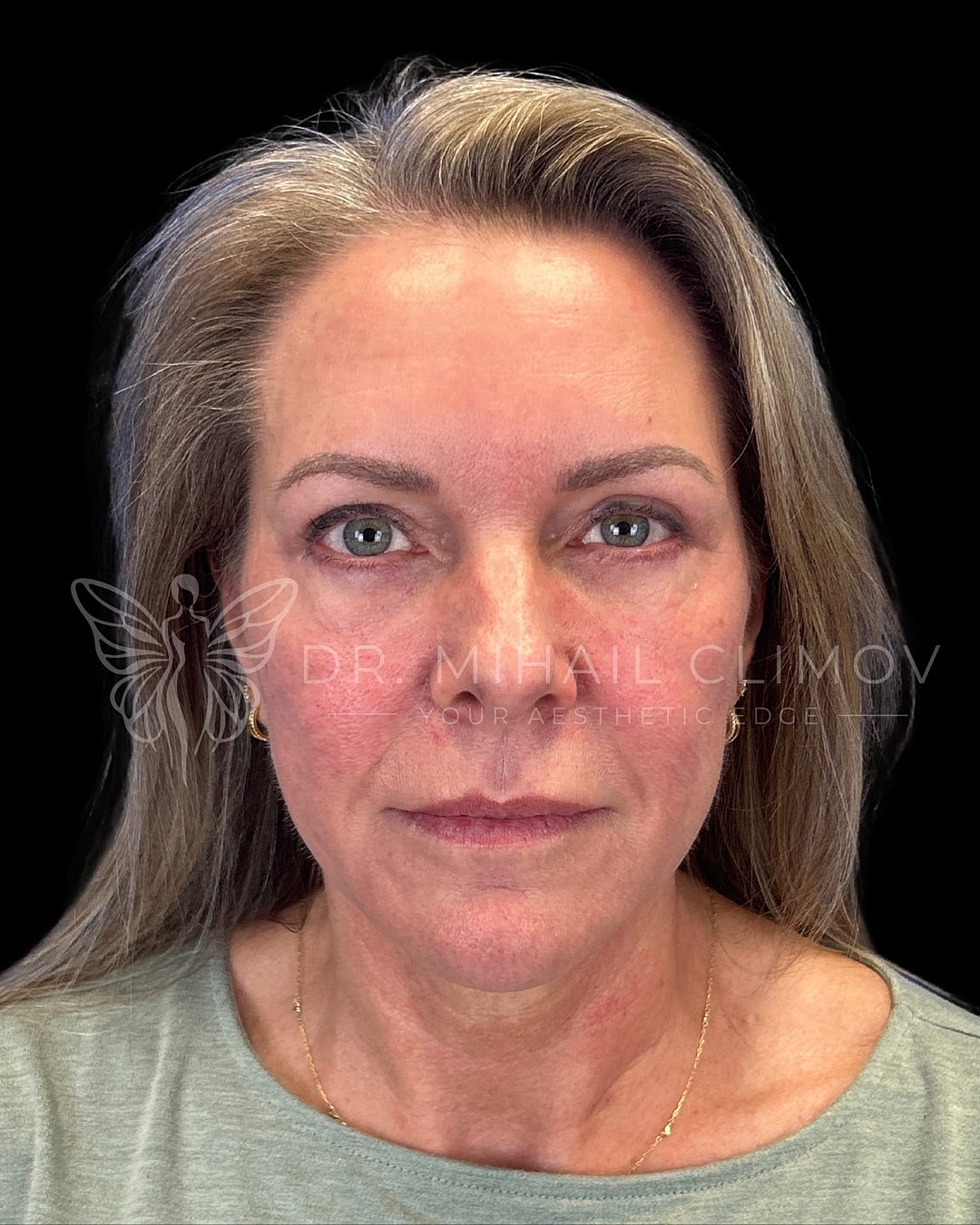
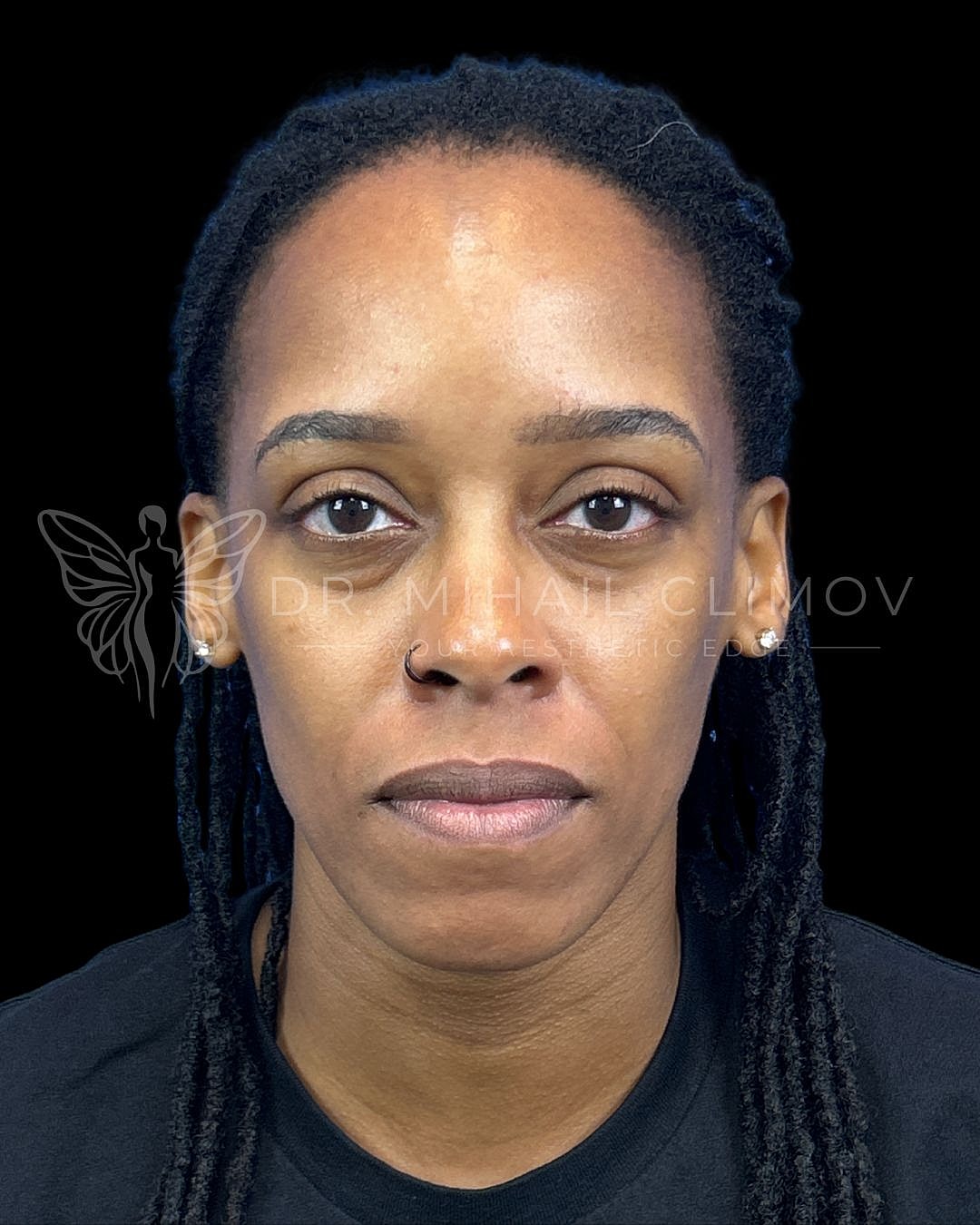
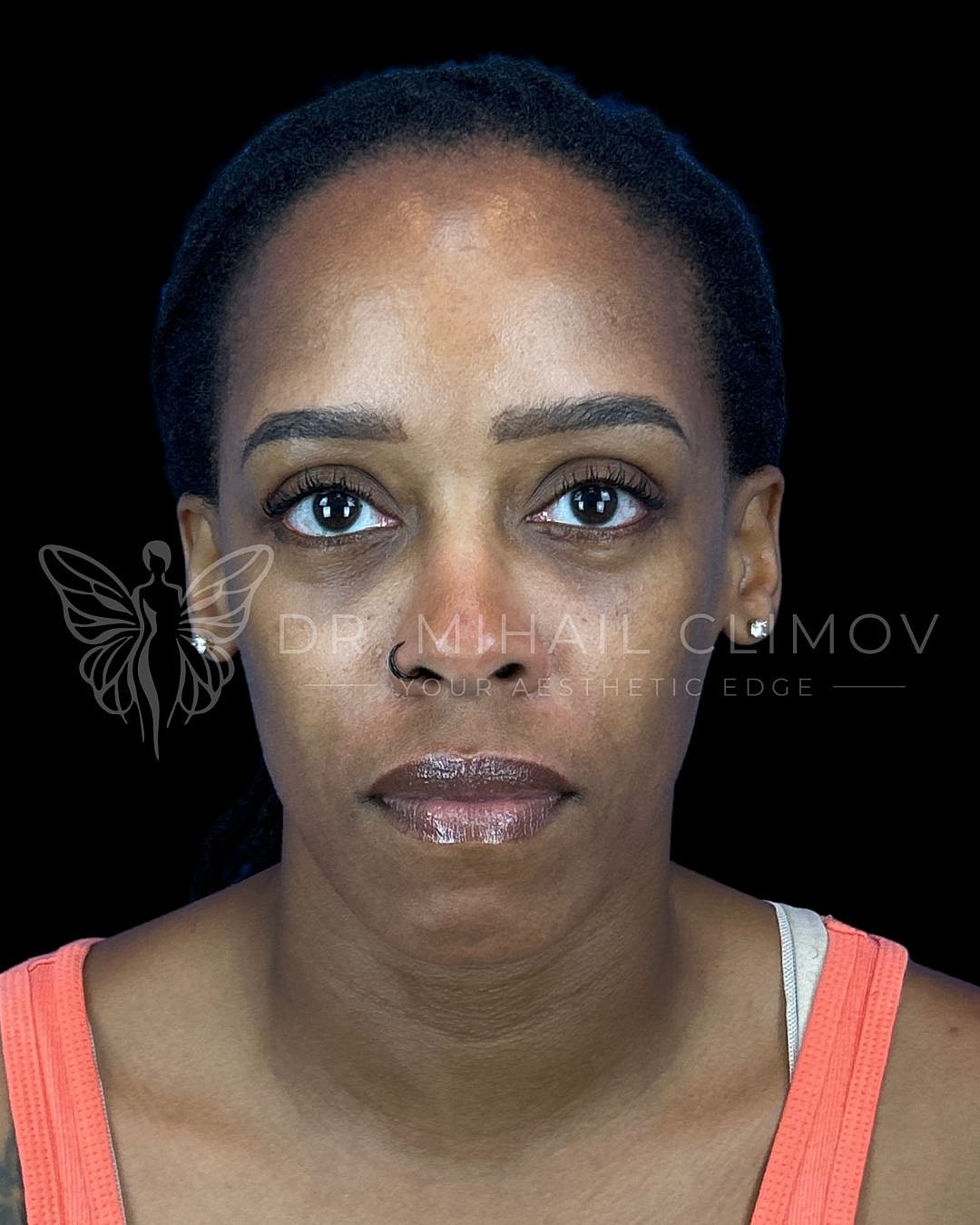
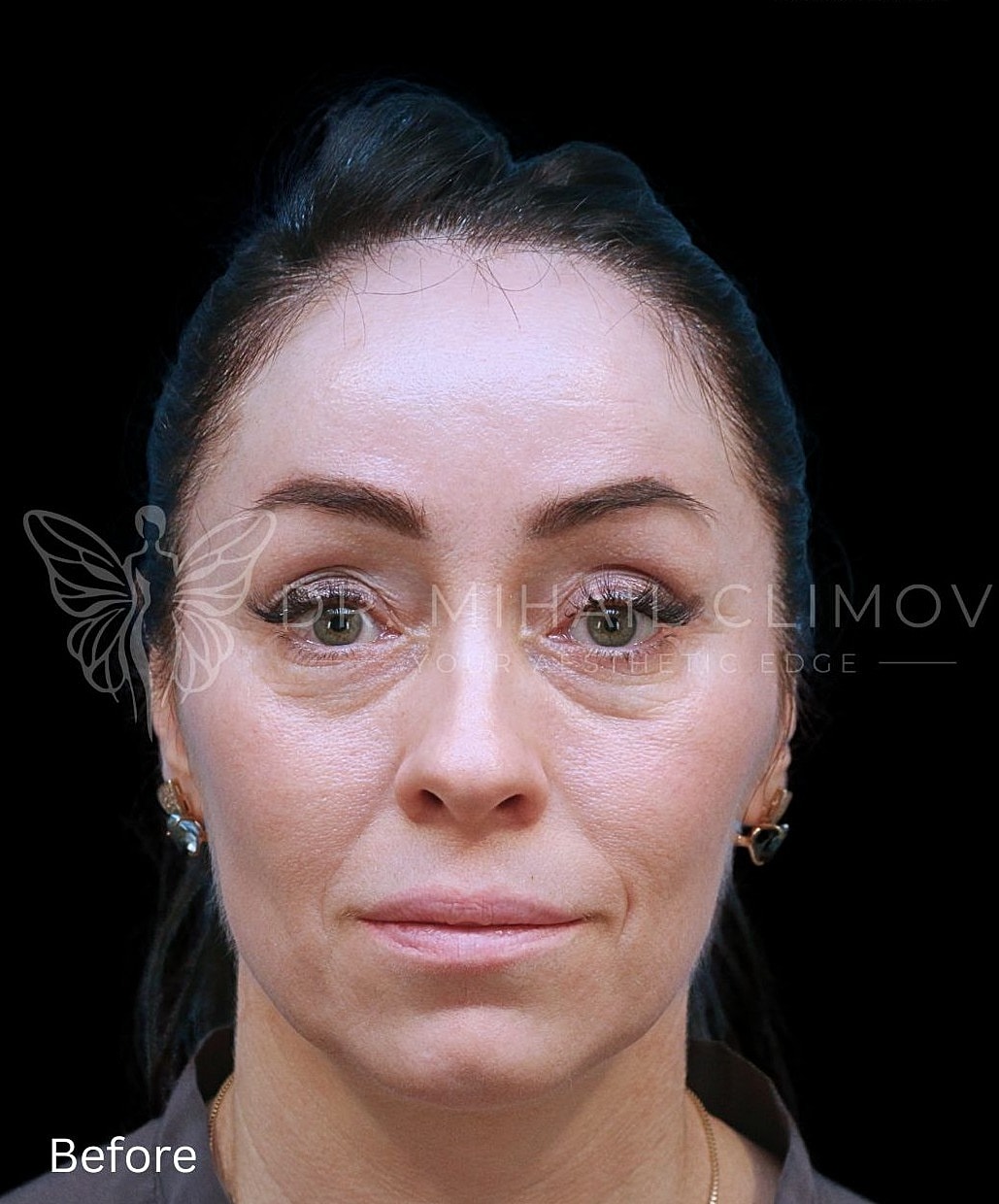
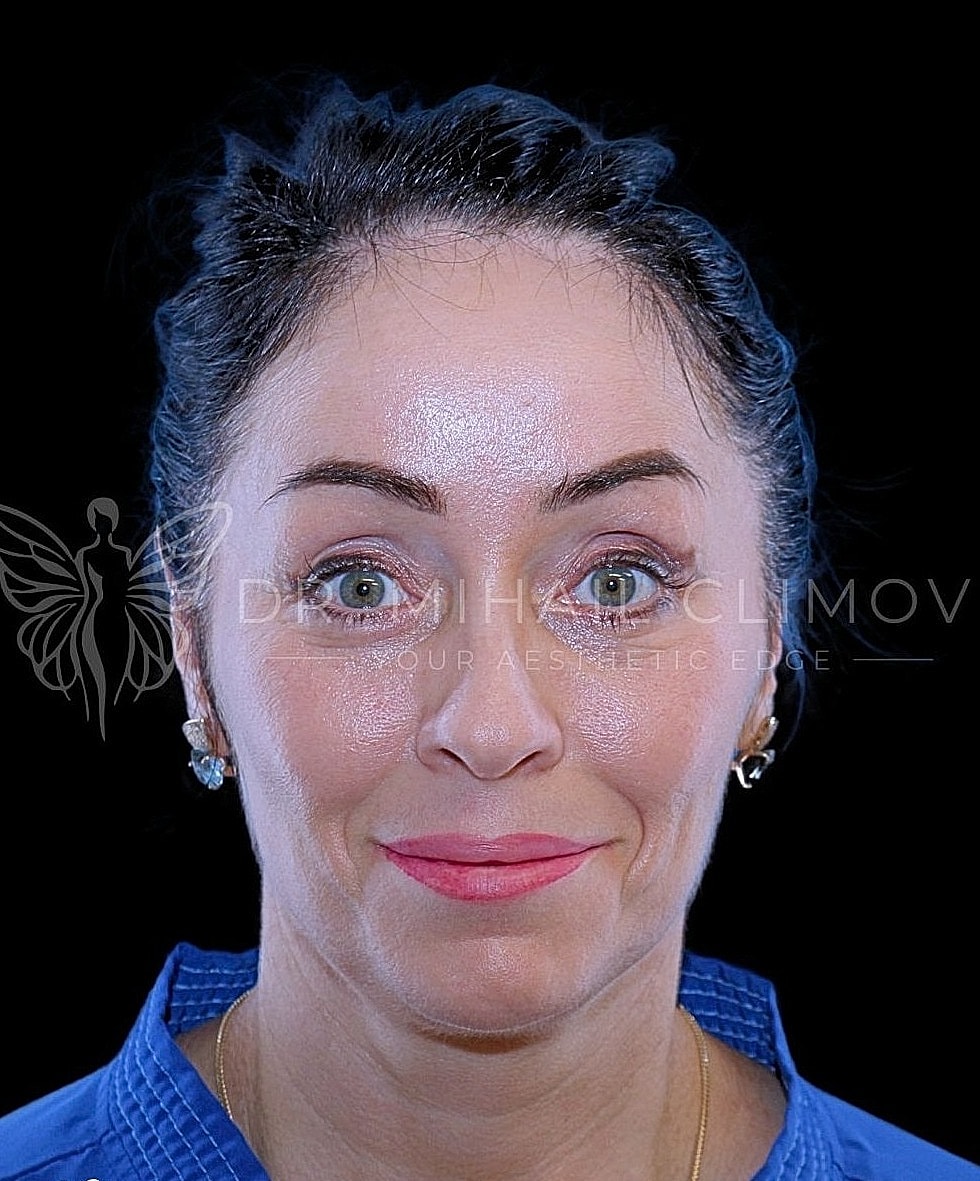
Results from blepharoplasty become visible as swelling subsides. The upper eyelid appears smoother, with the incision hidden in the natural crease. Lower eyelids look firmer and less puffy as lower eyelid fat is repositioned or reduced.
Blepharoplasty provides long-lasting improvement. While it does not stop aging, the removal of excess skin and contouring of fat delivers facial rejuvenation that endures for years. Patients often report looking more rested and alert without obvious signs of plastic surgery.
Blepharoplasty requires precision, restraint, and an understanding of both aesthetic surgery and reconstructive surgery principles. Dr. Climov approaches every blepharoplasty procedure with careful anatomical planning, respecting your natural eyelid structure and eye function.
As a surgeon specializing in facial plastic refinement, he prioritizes natural results over aggressive alteration. Patients trust Your Aesthetic Edge for elevated care, meticulous technique, and personalized attention from consultation through recovery.
The blepharoplasty procedure typically takes one to three hours, depending on whether the upper and lower eyelids are treated together.
Most patients report only slight discomfort after surgery. Swelling and bruising are common but manageable with ice packs and medication.
Transconjunctival blepharoplasty is a lower eyelid blepharoplasty technique that removes excess fat from inside the lower lid without an external incision.
Yes, in some cases, upper blepharoplasty may improve vision by removing excess eyelid skin that obstructs the visual field.
While the natural aging process continues, blepharoplasty provides long-lasting improvement. Most patients enjoy results for many years.
While all surgery carries possible complications, careful planning minimizes risks such as swelling and bruising, dry eyes, double vision, or light sensitivity.