Acne & Acne Scar Treatment


Active acne and leftover scars present two entirely different challenges—and achieving lasting results means treating them in the correct sequence. First, we focus on calming active breakouts. Once your skin is clear, we design a personalized regimen targeted to the precise depth and structure of your unique scar pattern. There is no single laser or treatment that erases every type of scar. At Your Aesthetic Edge, Dr. Climov applies the trained eye and refined judgment of a facial plastic surgeon to both stages of your transformation, ensuring your skin receives thoughtful, tailored care from start to finish.
We first focus on calming active acne and improving skin health. Once breakouts are controlled, we treat acne scars using targeted techniques selected according to scar type, depth, and location
Your customized plan may include medical facials, chemical peels, SkinPen® microneedling, HELIX laser resurfacing, subcision, TCA CROSS, or surgical scar revision.
Downtime varies by treatment. Medical facials may require little to no recovery, while laser resurfacing, subcision, and more advanced procedures may involve several days of redness, swelling, or healing.
Your care is directed by a fellowship-trained plastic surgeon who evaluates acne scars structurally—not only at the skin’s surface—to create a more precise and comprehensive treatment plan.
Performing intensive resurfacing on skin with active, inflamed acne can worsen breakouts and lead to further scarring. That’s why getting active acne under control is always our first priority.
Our aesthetician-led treatment plans combine custom medical facials, gentle extractions, targeted superficial peels, and tailored medical-grade skincare (including retinoids, benzoyl peroxide, azelaic acid, or salicylic acid). For moderate to severe cystic acne—the kind most prone to permanent scarring—Dr. Climov coordinates closely with trusted dermatologists to ensure you receive comprehensive medical management, including isotretinoin evaluation when appropriate. We treat the root cause of acne, setting the stage for smooth, healthy skin.
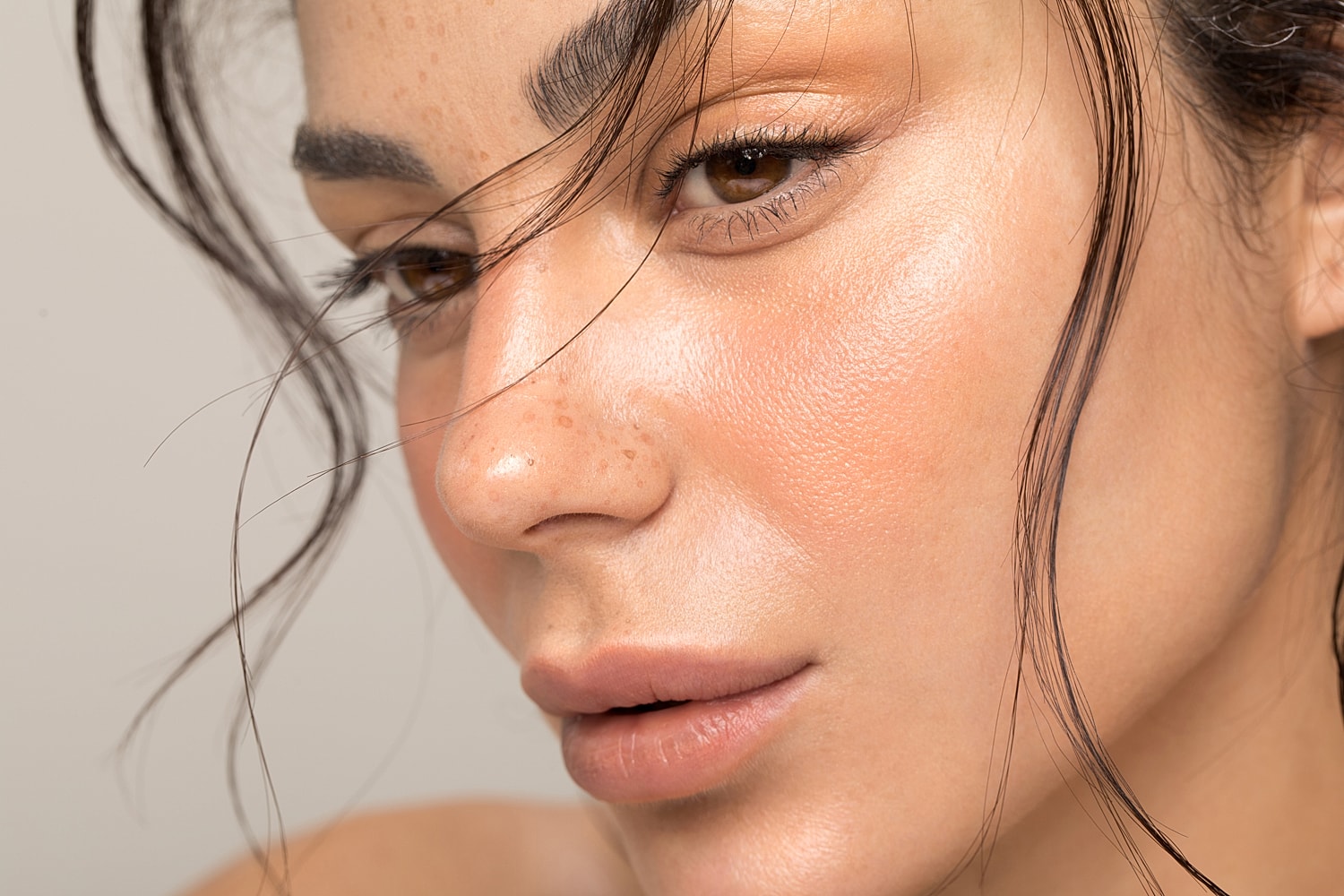

Different types of scars demand different techniques. Once active breakouts are fully controlled, we evaluate your skin to identify the specific scar types you have:
-Rolling & Tethered Scars: These broad, shallow depressions occur when fibrous bands pull the surface of the skin downward. We release these tight bands beneath the skin using subcision, often pairing the procedure with dermal fillers or following up with microneedling or laser work. Surface resurfacing alone rarely fixes these deep tethered bands.
-Ice-Pick Scars: Narrow, deep pits that extend into the deeper layers of the skin. These respond best to focused techniques like TCA CROSS or punch excision, followed by fractional laser resurfacing to blend the overall texture.
-Boxcar Scars: Wider depressions with distinct, sharp edges. They respond well to fractional laser resurfacing, SkinPen® microneedling, and targeted subcision or punch elevation when tethered.
-Red Marks (Post-Inflammatory Erythema): Lingering red spots left behind after breakouts. These fade over time with medical-grade skincare and diligent, daily SPF application.
-Brown Marks (Post-Inflammatory Hyperpigmentation): Dark spots caused by excess pigment production following inflammation. We treat pigment gently using tinted sunscreens, azelaic acid, topical retinoids, light peels, and specialized brightening formulas like cysteamine or hydroquinone—avoiding high-heat lasers until pigment is stable.
-Raised or Keloid Scars: Overgrowths of scar tissue that sit above the skin. These are managed using intralesional steroid injections, silicone sheets, or precise surgical excision when necessary.
The advanced HELIX laser platform offers versatile treatments designed to target atrophic (depressed) scarring at varying skin depths:

1.Clear active acne breakouts.
2.Stabilize hyperpigmentation with pre-treatment therapies for 4 to 6 weeks.
3.Perform subcision to release tethered, underlying scar tissue.
4.Apply HELIX laser or 1570 nm resurfacing to smooth skin texture.
5.Utilize TCA CROSS for deep, focal ice-pick scars.
6.Apply subtle dermal fillers only if localized volume loss remains.
Precision and safety are paramount—especially when treating deeper skin tones (Fitzpatrick IV–VI). For darker skin types, Dr. Climov uses lower thermal settings, pre-treats pigment, and relies heavily on mechanical microneedling, 1570 nm laser wavelengths, subcision, and TCA CROSS to deliver exceptional results safely.
We deliberately utilize mechanical SkinPen® microneedling over radiofrequency (RF) microneedling for standard scar therapy. RF microneedling carries higher risks of complications such as burns, fat loss, or prolonged pigment issues. By keeping heat exposure controlled and targeted, we protect your skin's integrity while achieving exceptional refinement.
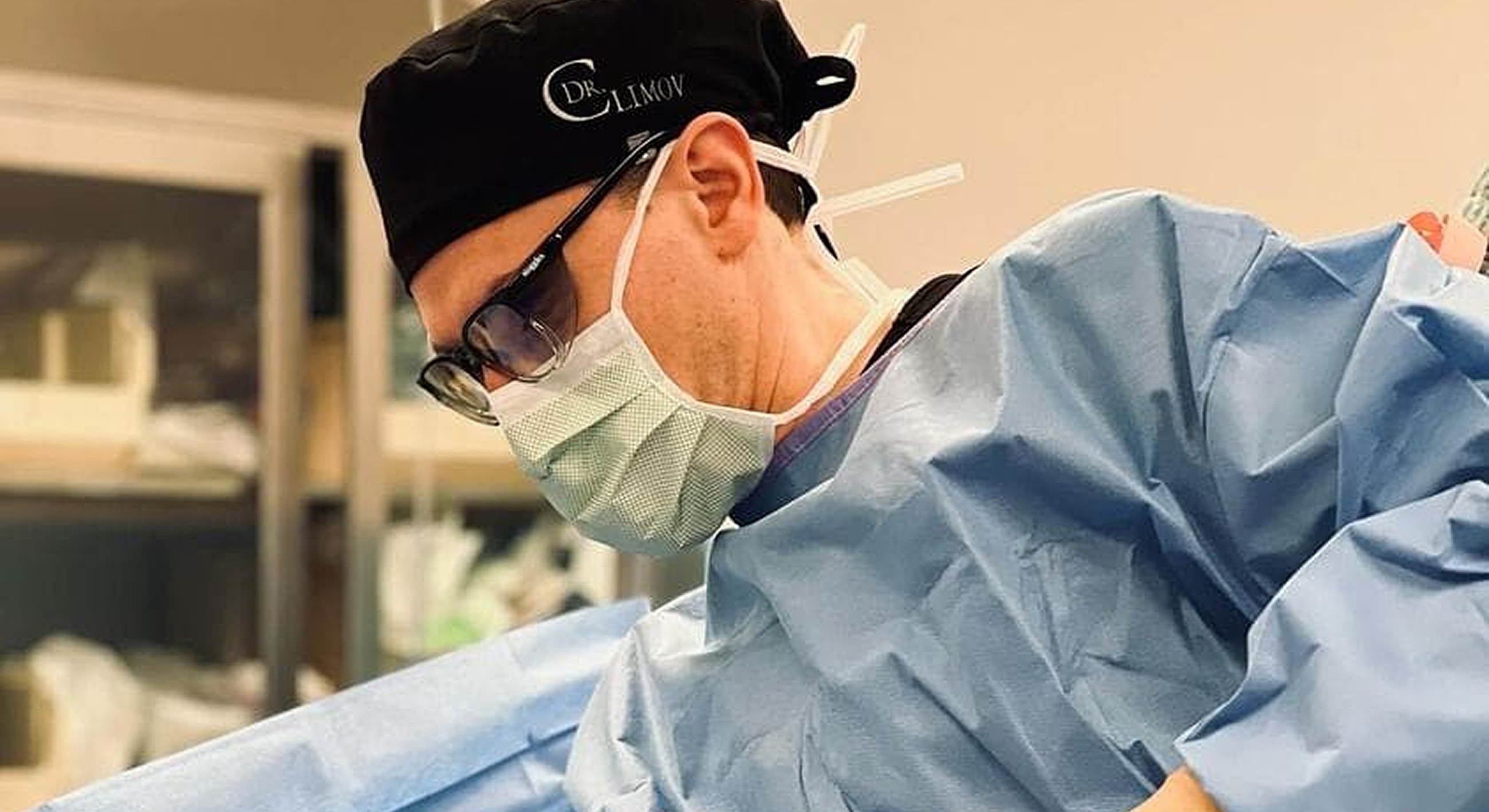
If active breakouts, dark marks, or pitted scars affect your confidence, a consultation at Your Aesthetic Edge is your first step. Dr. Climov and our aesthetic team will evaluate your skin type, scar structure, and skin history to build a thoughtful, realistic plan.
While no honest medical provider can guarantee total scar erasure, our comprehensive, multi-step treatments offer meaningful, transformative improvement.
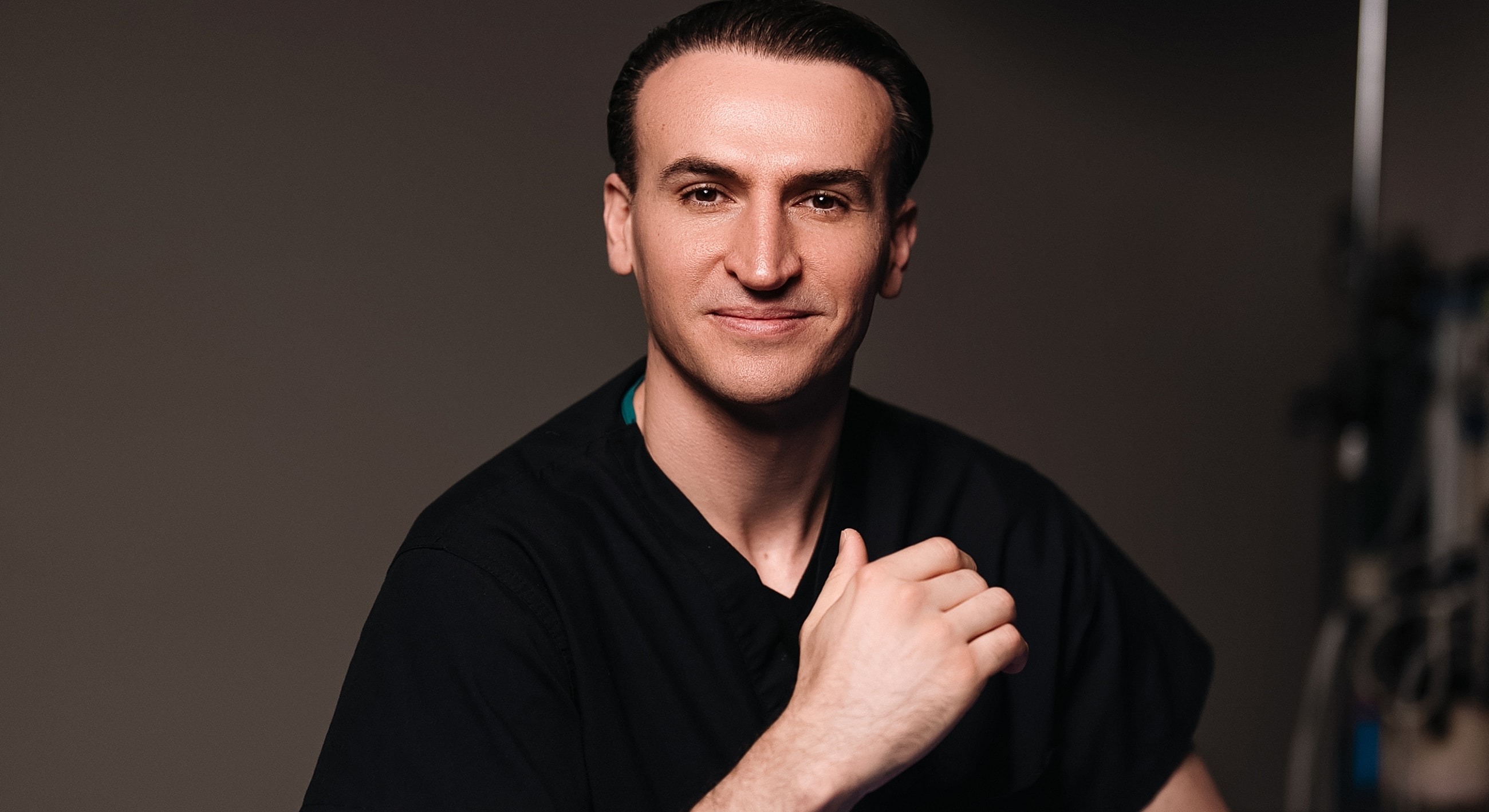
Dr. Climov is a fellowship-trained aesthetic plastic surgeon with a background in skin research from Harvard. Unlike many cosmetic practices where subcision or scar revision is referred out, Dr. Climov performs these specialized surgical scar techniques himself.
When you visit Your Aesthetic Edge, you benefit from expert surgical precision delivered within a calm, unhurried environment focused entirely on your long-term skin health.
Yes. Performing laser resurfacing or microneedling on skin with active, inflammatory breakouts can spread bacteria and cause additional scarring. We prioritize calming your skin first—coordinating care with trusted dermatologists for severe or cystic acne—before moving forward with scar therapies.
Different types of scars form at different depths in the skin and require unique solutions. Rolling scars need subcision to break deep fibrous bands; ice-pick scars need concentrated treatments like TCA CROSS; and shallow boxcar scars respond best to laser resurfacing. Matching the correct technique to each scar type is essential for achieving optimal results.
No legitimate provider can guarantee 100% scar removal. However, a tailored, multi-step treatment plan can dramatically smooth skin texture, soften shallow depressions, and blend discoloration, making scars far less noticeable. We will provide an honest, clear assessment of what you can expect during your initial consultation.
Yes, when performed with specialized techniques and careful settings. Darker skin tones are more prone to post-inflammatory hyperpigmentation. To protect your skin, we rely on pigment pre-treatments, gentle 1570 nm lasers, mechanical SkinPen® microneedling, and structural subcision rather than aggressive, high-heat ablative lasers.
Because treatment plans are customized based on your unique scar pattern and the number of sessions required, total costs vary. During your initial consultation, we evaluate your skin and provide a completely transparent, detailed estimate for your personalized treatment plan.